
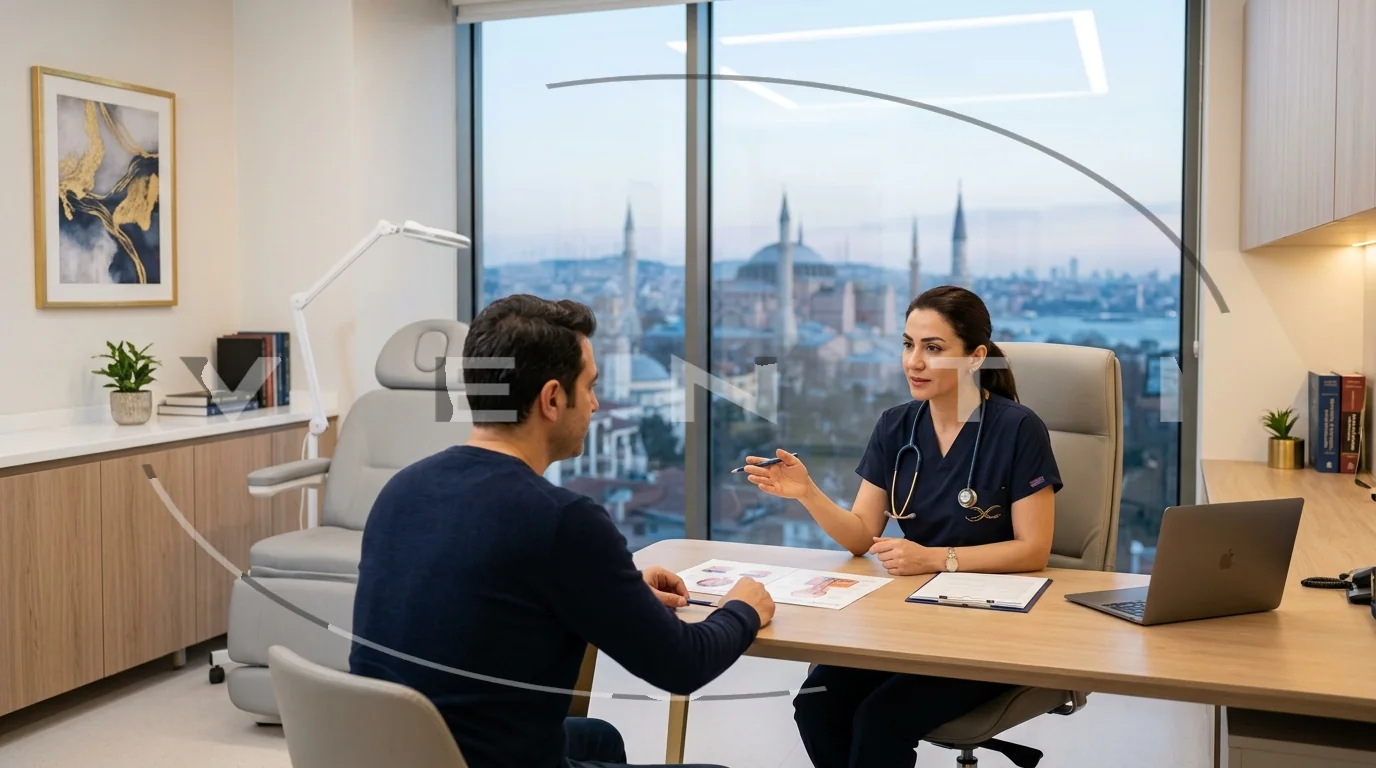
Istanbul is a global hub for hair restoration, attracting patients worldwide. However, the sheer number of options can make choosing a clinic challenging. Navigating this landscape requires understanding clinical standards, medical qualifications, and patient safety. This guide provides an objective, educational framework to evaluate and select a hair transplant clinic in Istanbul, prioritizing clinical quality, transparency, and realistic expectations over marketing promises.
Medical team & surgeon credentials
A successful hair transplant depends on the skill and experience of the medical team. Although classified as aesthetic, hair restoration is a surgical procedure, meaning doctor leadership is vital for patient safety and natural-looking outcomes.
Patients should verify that the clinic is led by a licensed plastic surgeon or dermatologist specializing in hair restoration, checking credentials through national registries or international societies. In a reputable clinic, the surgeon designs the hairline, plans graft distribution, creates recipient sites, and actively supervises the technicians. Clinics relying entirely on unsupervised technicians present serious safety risks, as they lack the license to make clinical decisions.
Accreditation, hygiene & operating-room standards
A sterile surgical environment minimizes infection risks and promotes proper healing. In Turkey, authorized clinics must hold licenses from the Turkish Ministry of Health, ensuring compliance with strict hygiene, staffing, and clinical standards.
The procedure should take place in a fully equipped hospital or accredited surgical center, not an office. Sterile operating rooms, advanced sterilization, and single-use instruments are essential. A hospital environment provides necessary emergency infrastructure and multidisciplinary support. When researching, ask if the facility holds international quality certifications reflecting global clinical standards.
Technique transparency (FUE vs DHI)
Modern clinics rely on Follicular Unit Extraction (FUE) and Direct Hair Implantation (DHI). Both are effective but suit different patterns of hair loss and donor characteristics.
- Follicular Unit Extraction (FUE): Grafts are extracted individually and implanted into micro-channels created with sapphire blades. FUE is ideal for covering large areas, allowing natural angles and density.
- Direct Hair Implantation (DHI): Using a specialized implanter pen, DHI combines incision and placement. This method is preferred for increasing density between existing hairs without shaving the recipient area.
An ethical clinic explains why a technique suits your scalp. Avoid clinics promoting one method exclusively without clinical justification, as this indicates sales-driven priorities.
Realistic graft planning & honest expectations
The donor area at the back and sides of the scalp is a finite resource. Over-harvesting this zone to promise unrealistic graft counts can cause permanent thinning, scarring, and patchy areas. It also depletes donor reserves needed if future procedures are required as hair loss progresses.
Ethical clinics prioritize long-term hair preservation. A thorough pre-operative assessment should calculate a safe extraction limit. Strategic graft distribution ensures natural density while protecting donor health. Additionally, since transplants do not prevent ongoing hair loss in untreated areas, a transparent consultation must address a long-term medical plan to protect your remaining hair.
Transparent all-inclusive pricing
When traveling abroad for medical care, financial clarity is essential. Reputable clinics in Istanbul offer transparent, all-inclusive pricing structures that cover all medical and administrative costs associated with the trip, preventing patients from facing unexpected expenses after arrival.
A genuine all-inclusive package should cover the following components:
- The procedure: All surgeon and medical team fees, local anesthesia, and the use of the sterile operating room.
- Diagnostics: Pre-operative blood tests, scalp analysis, and clinical consultations.
- Post-operative care: Necessary medications, specialized shampoo, lotions, and detailed instructions.
- Logistics: Hotel accommodation for the healing period, airport pickups, and clinic transfers.
Patients should be cautious of clinics that use per-graft pricing models subject to change on the day of surgery, or those that charge extra for basic medications and anesthesia. A transparent clinic will provide a final, written quote based on pre-arrival photo analysis.
Genuine patient reviews & verifiable results
Evaluating a clinic’s track record requires analyzing genuine patient reviews and verifiable results. Because online platforms can contain fabricated testimonials, patients must learn to distinguish authentic feedback from marketing materials.
When researching reviews, look for detailed accounts of the patient journey on independent third-party platforms rather than relying solely on the clinic’s official website. Authentic reviews often describe the initial consultation, comfort levels, instruction clarity, and aftercare support. For before-and-after photos, verify that the images show consistent lighting, identical angles, and high-resolution details of both the hairline and the donor area. Most importantly, look for long-term results that document progress at twelve to eighteen months, as this is the timeframe required for transplanted hair to reach mature density.
Language support & long-term aftercare
The relationship between a patient and a clinic should not end when the procedure is completed. The recovery and growth process after a hair transplant takes a full year, during which patients need guidance and professional monitoring.
Clear communication is a vital safety factor. Reputable clinics provide dedicated, fluent patient coordinators who act as a bridge between the patient and the medical team, ensuring that medical history and instructions are communicated accurately in the patient’s native language. Additionally, a structured, long-term aftercare program is essential. This program should include scheduled virtual follow-up checkpoints—typically at one week, one month, three months, six months, and twelve months post-op—where the medical team reviews progress photos, monitors healing, and provides guidance on hair care and physical activity during recovery.
Red flags to avoid
To protect your health and ensure a successful outcome, it is important to recognize the common warning signs of subpar clinics. During your research, watch for these red flags:
- Guaranteed results: Hair restoration is biological. No ethical professional can guarantee a specific outcome or perfect graft survival.
- High-pressure sales tactics: Avoid coordinators who pressure you to make immediate deposits or offer short-term discounts to rush your decision.
- Lack of surgeon contact: If you cannot verify the name of the surgeon or speak with a doctor during your consultation, it may be a technician-only clinic.
- Impossibly high graft promises: Promising massive graft counts without detailed donor evaluation risks permanent donor depletion.
- Vague pricing structures: Avoid clinics that fail to provide a written breakdown of what is included in their quote.
Frequently Asked Questions
How can I verify if a clinic in Istanbul is legally authorized?
Verify that the clinic holds an official medical tourism certificate from the Turkish Ministry of Health. Reputable clinics display this licensing on their website or provide their registration details upon request, ensuring they are subject to regular government inspections.
Is a surgeon always involved in the procedure?
Legally, a licensed doctor must oversee the procedure. In reputable clinics, the surgeon is actively involved, designing the hairline, planning graft distribution, creating the incisions, and supervising the clinical team. You should always ask the clinic to specify the doctor’s exact role.
How do I know if FUE or DHI is the right technique for me?
The choice depends on your hair loss pattern, donor density, and goals. FUE is preferred for covering larger areas, while DHI is ideal for targeted density or when you prefer not to shave the recipient area. A specialist must evaluate your scalp to recommend the appropriate method.
What should I expect during the recovery period?
Initial healing takes about two weeks. Within the first month, transplanted hairs temporary shed, which is a normal part of the cycle. New growth begins around the third month, with visible improvement by the sixth month, and final density achieved between twelve and eighteen months.
Choosing a hair transplant clinic in Istanbul is a significant decision that requires careful research and realistic expectations. By prioritizing surgeon credentials, clinic accreditation, technique transparency, and structured aftercare, you can ensure a safe and successful restoration journey. At Venti, we are committed to these ethical clinical practices, providing personalized evaluations, doctor-led procedures, and honest graft planning to help our patients achieve natural, lasting results with safety and integrity.
Related articles
- The Complete 30-Day Hair Transplant Recovery Timeline: What Really Happens Week by Week
- Hair Transplant and Dental Treatment in Turkey: The Ultimate Guide
- Dental Implants Cost: Turkey vs USA (2026 USD Guide)
- Female Hair Transplant in Istanbul: Discreet, Natural-Looking Results for Women
- Beard Transplant Cost in Istanbul: A Complete 2026 Price Guide
