
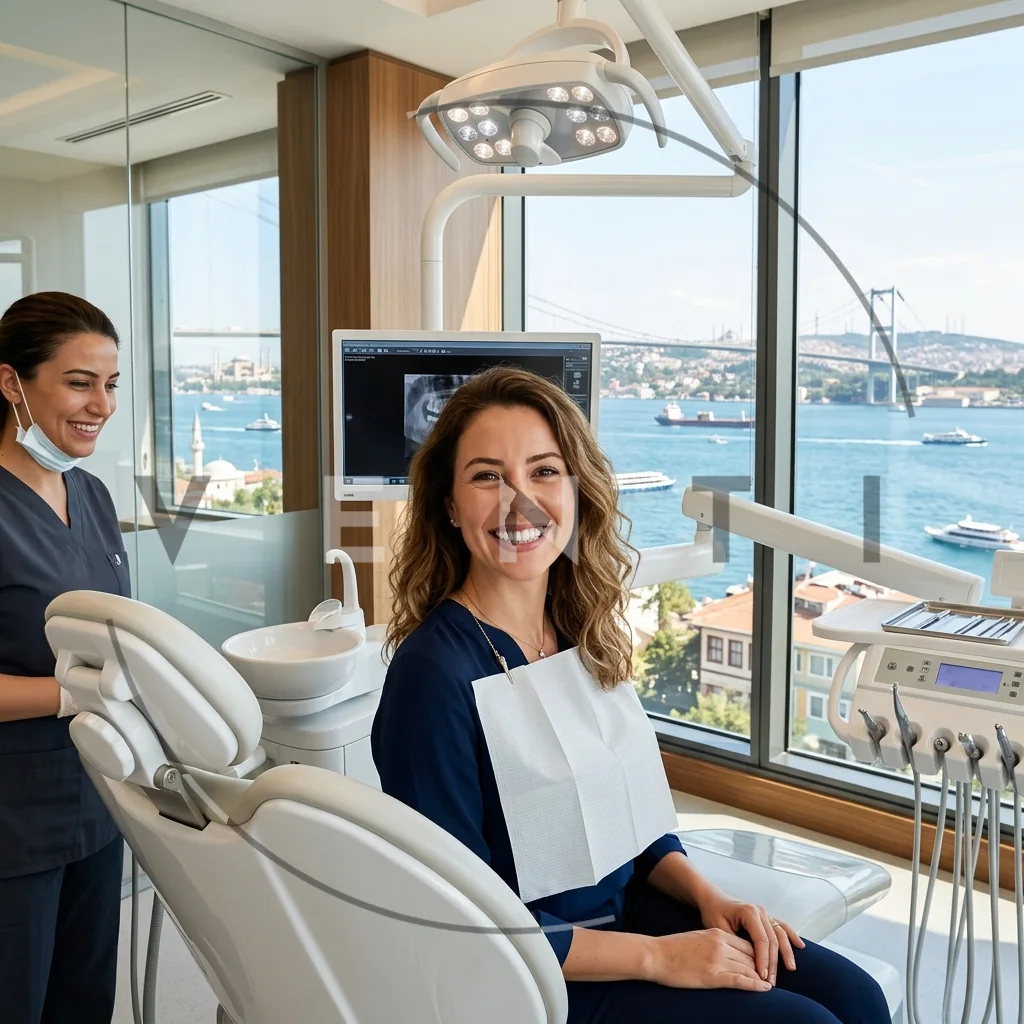
Turkey has become one of the world’s leading destinations for affordable, high-quality dental care, attracting hundreds of thousands of international patients each year from the United States, the United Kingdom, and across Europe. But behind the glossy “smile makeover” advertisements lies a more complicated reality: outstanding clinics exist alongside high-volume operations that cut corners. This honest 2026 guide explains how dental tourism in Turkey actually works, what it really costs, and how to protect yourself so your trip ends with a healthy, beautiful smile rather than regret.
Is dental tourism in Turkey safe?
Dental tourism in Turkey is safe when you choose a properly accredited clinic with qualified, experienced dentists, since the Turkish Ministry of Health regulates dental facilities and many top clinics hold international accreditation. The risk comes not from the country itself but from selecting a low-end, high-volume clinic that prioritizes speed and profit over patient health.
Turkey’s healthcare sector is overseen by the Ministry of Health (Sağlık Bakanlığı), which licenses dental clinics and dentists, mandates hygiene and sterilization standards, and requires practitioners to hold recognized dental degrees. Leading clinics go further by pursuing accreditation through bodies such as the Joint Commission International (JCI) or ISO certification, and many Turkish dentists train or attend continuing education in Europe and the US.
The “Turkey teeth” reputation explained
The infamous “Turkey teeth” phenomenon refers to cases where patients received over-aggressive crown preparations, meaning healthy tooth structure was filed down to small pegs to fit crowns, when minimally invasive veneers or no treatment at all would have sufficed. This happens at budget clinics that:
- Crown every visible tooth for a fast, dramatic “Hollywood smile” instead of conservative treatment
- Skip proper diagnostics, gum health assessment, and bite analysis
- Rush full-mouth work into two or three days to maximize patient turnover
- Fail to provide adequate follow-up when problems like sensitivity, infection, or bite issues emerge
The result can be irreversible nerve damage, chronic sensitivity, gum recession, or crowns that fail prematurely. The good news: this is entirely avoidable. Ethical clinics preserve as much natural tooth as possible, recommend veneers over crowns when appropriate, and will sometimes tell you that you need no cosmetic work at all. Avoiding “Turkey teeth” comes down to choosing the right clinic and the right treatment plan, not avoiding Turkey.
How much can you actually save with dental work in Turkey?
Patients typically save around 60 to 70 percent on dental treatment in Turkey compared to US and UK prices, even after factoring in flights and accommodation, because lower operating costs and a favorable exchange rate dramatically reduce treatment fees without reducing material quality. Premium materials like zirconia and E-max are widely used.
To put the savings in perspective, here are typical price ranges. Exact figures depend on your specific case, the materials chosen, and the number of teeth involved, so we provide ranges here and confirm your personalized quote during a free consultation.
- Dental implants: a single implant in the US/UK often costs $3,000–$6,000 — in Turkey it costs a fraction of that.
- Zirconia or E-max crowns: roughly $1,000–$2,500 each in the US/UK — far less in Turkey.
- Veneers: $1,000–$2,500 per tooth at home — a fraction of that in Turkey.
- Full-mouth restoration (All-on-4/All-on-6): often $25,000–$60,000+ per arch in the US/UK versus a fraction of that in Turkey.
The same high-grade implant brands and ceramic materials used in Western practices are available in reputable Turkish clinics. The savings reflect economics, not inferior products. That said, be skeptical of prices that seem impossibly low, as they often signal cut materials, unqualified technicians, or pressure to over-treat.
How do you choose a trustworthy dental clinic in Turkey?
Choose a trustworthy clinic by verifying the dentists’ credentials and Ministry of Health licensing, confirming international accreditation, reading independent verified reviews, and watching for red flags like over-treatment and pressure tactics. A reputable clinic welcomes questions, shares dentist qualifications openly, and presents a conservative treatment plan rather than the most expensive option.
Verify credentials and accreditation
- Confirm the clinic is licensed by the Turkish Ministry of Health and ask about JCI or ISO accreditation.
- Request the names and qualifications of the dentists who will perform your work, not just the clinic brand.
- Ask how many years of experience your specific dentist has with your procedure.
Spot fake reviews and over-treatment
- Look for detailed, balanced reviews on independent platforms rather than only flawless five-star testimonials on the clinic’s own site.
- Be wary of identical, generic praise posted in clusters, which can indicate manufactured reviews.
- Get a written treatment plan and a second opinion. If a clinic proposes crowning your entire smile when you asked about whitening or a few veneers, that is a major warning sign of over-treatment.
- An ethical clinic explains why each procedure is recommended and offers conservative alternatives.
You should never feel rushed or pressured. A trustworthy clinic gives you time, clear information, and a transparent quote, and respects your right to decline any procedure.
What are the real risks of dental tourism, and how can they be mitigated?
The real risks of dental tourism are language barriers, rushed treatment timelines, and gaps in follow-up care, but each can be effectively mitigated with a dedicated English-speaking coordinator, realistic scheduling that respects healing times, and structured virtual aftercare. Choosing a clinic built around international patients removes most of these concerns.
Language barriers
Miscommunication about your goals or medical history can lead to the wrong treatment. The solution is a dedicated multilingual patient coordinator who manages your case from first inquiry to post-trip follow-up, ensuring nothing is lost in translation and that you fully understand your plan before consenting.
Rushed timelines
Quality dentistry cannot always be compressed into a weekend. Implants in particular require healing time before final restorations, often involving a two-stage process across separate visits or a planned longer stay. Reputable clinics build realistic timelines around your biology, not around flight schedules. Beware any clinic promising full-mouth implants and permanent crowns in 48 hours.
Follow-up gaps
Once you fly home, what happens if you have a question or complication? Strong clinics provide structured virtual aftercare, including video check-ins, direct messaging with your coordinator, written warranties on materials and workmanship, and clear guidance for any local follow-up you may need. This continuity of care is what separates a serious medical provider from a transaction-driven operation.
What does an all-inclusive dental trip in Turkey include?
An all-inclusive dental trip in Turkey typically bundles your treatment, airport transfers, hotel accommodation, in-city transport to and from the clinic, a dedicated patient coordinator, and post-treatment aftercare into one transparent package, so you arrive with a clear plan and avoid hidden costs. International flights are usually arranged separately by the patient.
A well-structured all-inclusive package usually covers:
- Comprehensive consultation and diagnostics, including X-rays, 3D imaging, and a personalized treatment plan
- The dental procedures themselves with premium materials specified in advance
- Comfortable hotel accommodation for the duration of your stay, often near the clinic
- VIP airport pickup and drop-off plus daily transfers between hotel and clinic
- A dedicated English-speaking coordinator guiding you through every step
- Written warranties on implants, crowns, and veneers
- Virtual aftercare and follow-up support once you return home
Because flights, optional excursions, and personal expenses are generally not included, always ask for an itemized breakdown so you know exactly what you are paying for. Transparency here is itself a sign of a trustworthy clinic.
Can I combine dental work with a hair transplant on the same trip?
Yes, many international patients combine dental treatment and a hair transplant in a single trip to Turkey, which saves time and travel costs while delivering a complete confidence transformation, as long as both procedures are coordinated by experienced clinicians and scheduled to respect each treatment’s healing requirements. Proper sequencing is essential for safety and comfort.
Combining procedures works well because dental work and hair restoration affect different parts of the body and can often be staged within the same one-to-two-week stay. A coordinated team can plan your hair transplant and dental appointments so that recovery from one does not interfere with the other, and you recover comfortably in your hotel between sessions. If you are considering a full makeover, explore our dedicated combined hair transplant and dental makeover in Istanbul program, which is designed specifically for patients who want to address both in one efficient, well-supported trip.
The key is to work with a clinic that manages both treatments under one roof or in close coordination, with a single point of contact overseeing your entire schedule, so nothing is rushed and your overall health remains the priority.
Frequently Asked Questions
Is the dental work done in Turkey of good quality?
Yes, reputable Turkish clinics use the same internationally recognized implant brands and premium ceramic materials such as zirconia and E-max found in US and UK practices, performed by qualified, experienced dentists. Quality depends on clinic selection, not the country.
How long do I need to stay in Turkey for dental treatment?
Stay length varies by procedure: veneers and crowns often take about 5 to 7 days, while implants may require a longer stay or two separate visits to allow healing. Your clinic should provide a realistic timeline based on your specific case.
What if something goes wrong after I return home?
A trustworthy clinic provides written warranties on materials and workmanship plus structured virtual aftercare, including video check-ins and direct coordinator support. Always confirm the warranty terms and follow-up process in writing before treatment begins.
How do I avoid the “Turkey teeth” problem?
Choose a clinic that recommends conservative, minimally invasive treatment, preserving natural tooth structure and favoring veneers over aggressive crowns when appropriate. Avoid any clinic that pressures you to crown your whole smile or rushes full-mouth work into a couple of days.
Can I get an accurate price before I travel?
Yes, by sending recent dental photos and any X-rays for a free consultation, you can receive a personalized, itemized estimate before booking. Because every case differs, we provide price ranges publicly and confirm exact pricing after reviewing your situation.
Related articles
- Dental Implant Recovery Timeline: Week-by-Week Guide
- Dental Implants Cost: Italy vs Turkey (2026)
- Female Hair Transplant in Istanbul: Discreet, Natural-Looking Results for Women
- Jude Law’s Hair Transformation: Unpacking the Real Causes of His Hair Loss
- Hair Transplant Cost in Russia and Turkey (2026): Price and Benefits Comparison
